
Time to Pay Up: Labour Targets Big Firms with Fines for Late Supplier Payments in £11bn Crackdown

Labour Unveils Tough Crackdown on Late Payments to Protect Small Businesses
The UK government is taking strong action to protect small businesses from the damaging effects of late payments. In a major policy move, Labour has announced plans to penalise firms that repeatedly delay payments to their suppliers, with new powers for regulators and support for startups at the heart of the reform.
Labour leader Keir Starmer issued a clear warning to big businesses: “Time to pay up.”
Why It Matters: Late Payments Are Crippling Small Firms
According to government figures, 38 small businesses shut down every day, partly due to delayed payments. Whether it’s tradespeople, shop owners, or family-run firms, many struggle with cash flow because larger firms fail to pay on time.
The cost to the economy? A staggering £11 billion a year.
What Is Labour Proposing?
In what it calls the “toughest crackdown on late payments in a generation”, Labour’s new measures include:
1. Fines for Repeat Offenders
Companies that persistently delay supplier payments could face millions of pounds in fines.
2. Stronger Powers for the Small Business Commissioner
The commissioner, a watchdog set up in 2016 to deal with late payment issues, will be given the authority to:
- Conduct spot checks on businesses
- Verify supplier complaints
- Impose deadlines to clear overdue payments
- Escalate and enforce action swiftly
3. Startup Loan Support
To further support the backbone of the UK economy, the government will offer startup loans worth £4 billion, aimed at 69,000 new businesses. These loans are intended to help small firms get off the ground without being crippled by cash flow delays from clients.
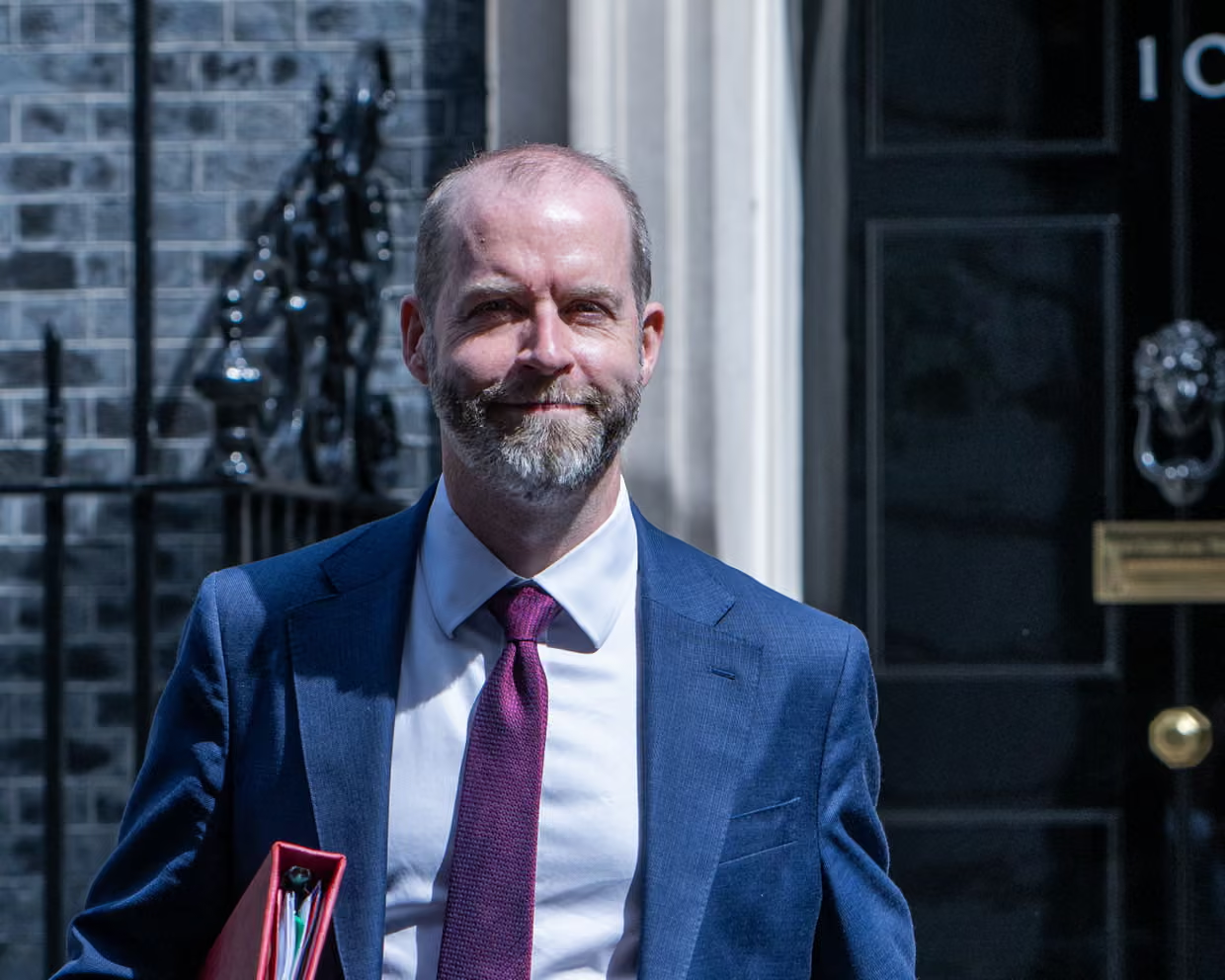
A Message from Business Secretary Jonathan Reynolds
Speaking ahead of the formal policy announcement, Business Secretary Jonathan Reynolds said the reforms will stop the late payment culture that has been allowed to fester for years.
“Late payments are a silent killer of small businesses. We’re stepping in to stop powerful firms from abusing their position and strangling suppliers.”
How the Crackdown Will Work
The Small Business Commissioner’s office will become more proactive, no longer waiting for complaints but launching investigations and enforcement. These changes are designed to speed up payment practices across supply chains, ensuring small businesses aren’t left waiting weeks—or even months—for money they’re owed.
Small Business Owners React
Many small business owners have long demanded reforms like these. Late payments can mean missing payroll, delaying investment, or even going under. With the rising cost of living and inflationary pressures, cash flow is more critical than ever.
One startup founder called the policy “a lifeline,” while another said, “I’ve waited 90+ days for invoices to be paid. This gives us a fighting chance.”
What It Means for Larger Businesses
Firms that rely on extended payment terms to manage their own cash flow may find themselves under greater scrutiny. The message from Labour is clear: delay your suppliers, and you’ll pay the price.
The policy could also encourage better payment culture across industries, where on-time payment becomes the norm, not the exception.
Final Thoughts
This is a major shift in how the UK government plans to defend small businesses and entrepreneurs, who are often the most vulnerable to unfair practices. With both financial penalties and supportive loans, the plan aims to level the playing field and ensure that small firms are not punished for growing and contributing to the economy.
As the Labour government continues to focus on building a “pro-business, pro-worker” economy, this late payments crackdown is one of its boldest steps yet.