

Intelligence Report Says Most Activities Were Lawful, Lawyer Tells Judges
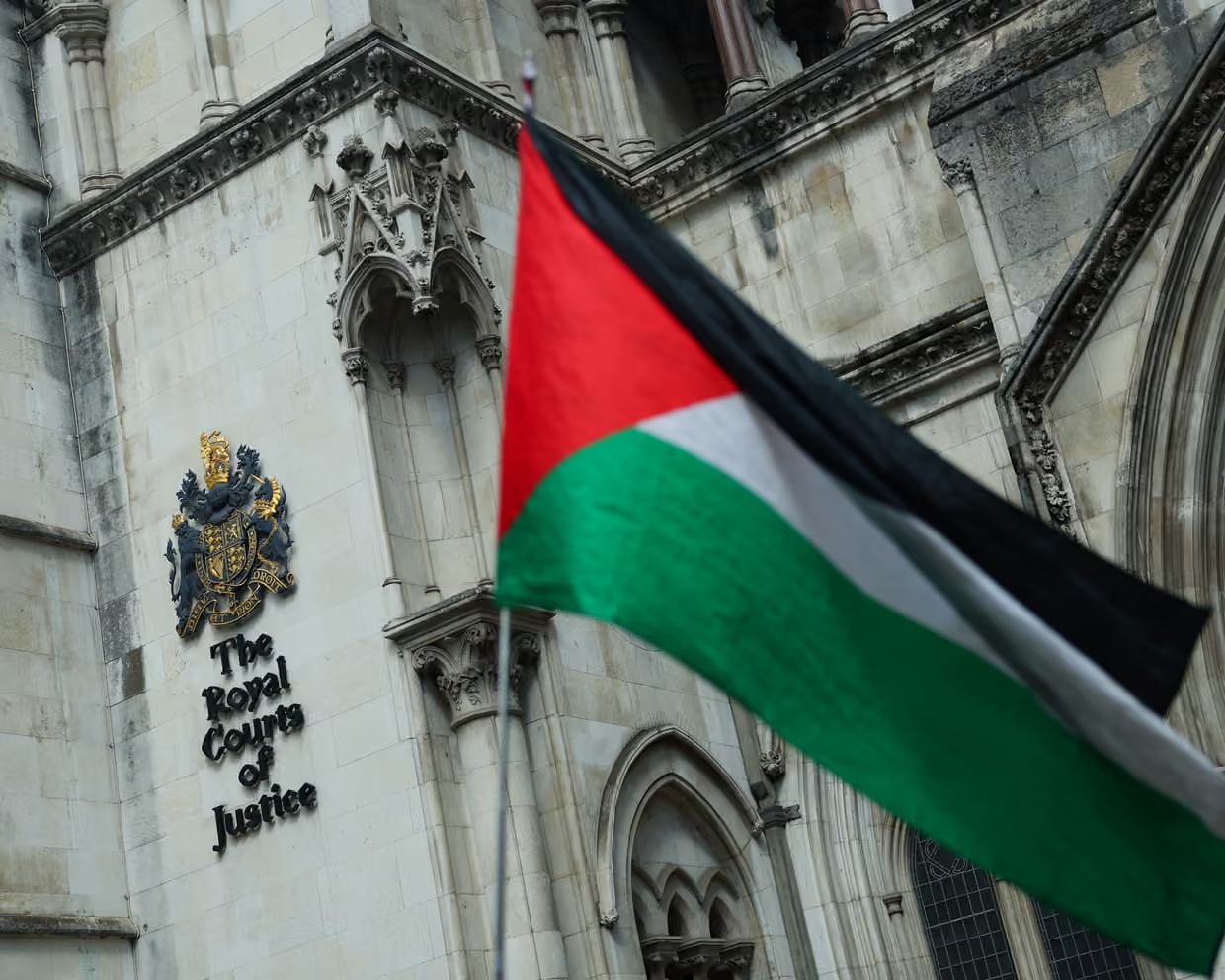
The UK government’s decision to ban Palestine Action under anti-terrorism laws is being challenged as an authoritarian abuse of power, a high court heard this week.
Lawyers representing the group argued that a secret intelligence assessment found most of Palestine Action’s activities were legal, casting doubt on the government’s justification for proscribing the group.
What Is Palestine Action?
Palestine Action is a grassroots activist group known for organizing direct actions and protests aimed at companies linked to Israeli military equipment manufacturing.
Since its formation about five years ago, the group has carried out at least 385 actions—mostly protests and disruptions targeting firms involved in arms production.
The Government’s Proscription of Palestine Action
On 5 July, the UK home secretary Yvette Cooper officially banned Palestine Action under the terrorism proscription laws, making membership or support of the group a criminal offense.
The government claims the ban is necessary due to the group’s alleged involvement in terrorism-related activities. However, details of the evidence behind this decision have been challenged.
Court Hears Intelligence Assessment Found Most Activities Lawful
At the high court hearing, Raza Husain KC, representing Huda Ammori—a co-founder of Palestine Action—presented written submissions highlighting problems with the government’s case.
Husain stated that the Joint Terrorism Analysis Centre (JTAC) had assessed the group’s activities and found that the vast majority were lawful.
According to the submissions, the home secretary admitted that only three out of the 385 actions met the legal definition of terrorism—and even that was considered a questionable judgment.
“Repugnant and Authoritarian” Decision, Lawyer Argues
Husain described the ban as “repugnant” and a “blatant abuse of power.”
He argued that with so few actions meeting the terrorism threshold, the proscription was disproportionate and unnecessary.
“It is for the court to decide whether those three actions are enough to justify proscribing an entire group that has been active for five years,” Husain said.
The suggestion is that the government’s move to ban Palestine Action targets legitimate protest and activism, rather than genuine terrorism threats.
Legal Questions Raised by the Ban
This case raises important legal questions about how the government uses anti-terrorism laws and balances national security against freedom of speech and protest.
The proscription laws are intended to prevent serious threats to safety. But critics argue that they can be misused to silence dissenting voices or political activism.
In this instance, the fact that most actions were deemed lawful casts doubt on whether banning the whole group is justified or an overreach.
What Does Palestine Action Say?
The group has consistently denied any involvement in terrorism. Its focus, they say, is on peaceful protest against companies linked to the arms trade and Israeli military activities.
Palestine Action argues that criminalizing their activism under terrorism laws sets a dangerous precedent for free speech and democratic protest.
Public Debate: Free Speech vs Security
The Palestine Action case taps into a broader debate in the UK and around the world about how governments should deal with protest groups and activists.
Supporters of the ban say it’s necessary to protect public safety and prevent violence.
Opponents warn that expanding the use of anti-terrorism laws to cover protest groups risks chilling free expression and undermining civil liberties.
What Happens Next?
The high court will now consider the arguments and evidence to decide whether the government’s ban on Palestine Action was lawful and justified.
If the court rules in favor of the group, the proscription could be overturned, allowing Palestine Action to continue its activism legally.
If the ban is upheld, membership and support for the group could become criminal offenses, with serious legal consequences.
Why This Case Matters
This legal challenge is closely watched by activists, legal experts, and human rights groups concerned about the balance between security and freedom.
It highlights the tension between the government’s efforts to tackle terrorism and the rights of citizens to protest and campaign for political causes.
The outcome could influence how similar groups are treated in the future and set an important precedent for the limits of anti-terror laws in democratic societies.