
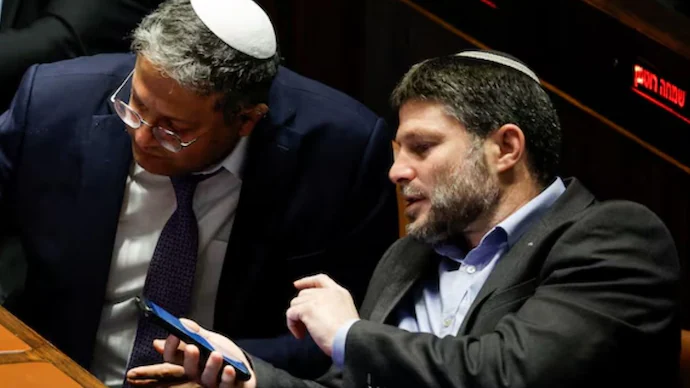
Western Allies Sanction Israeli Ministers for Inciting Violence Against Palestinians

UK, Canada, and Others Target Far-Right Cabinet Members Ben-Gvir and Smotrich in a Rare Move
Sanctions Send a Message: Enough Is Enough
In a dramatic move that signals growing international frustration, the United Kingdom, Canada, and several other Western countries have imposed sanctions on two far-right Israeli government ministers: Itamar Ben-Gvir and Bezalel Smotrich. These sanctions—ranging from travel bans to asset freezes—come in response to their incendiary rhetoric and policies, which allies say are fueling violence and instability in the West Bank.
This is a rare step. It’s uncommon for democratic allies of Israel to take such direct action against sitting Israeli officials, but the severity of the ministers’ actions appears to have crossed a line.
Why Are These Ministers Being Sanctioned?
Both Ben-Gvir and Smotrich have long been controversial figures in Israeli politics. Known for their hardline stances and inflammatory language, they’ve been accused of openly encouraging settler violence against Palestinians and of obstructing peace efforts.
Bezalel Smotrich, who holds a key economic post, recently made comments suggesting that collective punishment of Palestinians in Gaza—including starvation—might be a “moral” option to pressure Hamas. Meanwhile, Itamar Ben-Gvir, who oversees national security, has repeatedly praised violent settlers and has authorized increasingly aggressive law enforcement measures in Palestinian areas.
Western leaders say this rhetoric isn’t just problematic—it’s dangerous.
International Backlash Builds
The reaction from Western governments has been swift and direct. Officials from the UK and Canada condemned the ministers’ actions as destabilizing and morally unacceptable. They argue that inciting hatred and violence violates international norms and undermines efforts to de-escalate tensions between Israelis and Palestinians.
By implementing these sanctions, these countries are sending a message: promoting extremism from within government will not go unchecked, even from an ally.
Other nations, including Australia and several in Europe, are reportedly considering similar actions.
Israel Responds with Fury
The Israeli government has fired back. Prime Minister Benjamin Netanyahu criticized the sanctions, calling them “shameful” and accusing Western countries of siding with terrorists. Foreign Minister Gideon Saar described the sanctions as an “unprecedented insult” and claimed they were based on misinformation and bias against Israel.
Within Israel, reactions have been divided. While Netanyahu’s right-wing coalition has closed ranks around Ben-Gvir and Smotrich, critics from within Israel’s opposition say the ministers’ behavior is damaging Israel’s global standing and further isolating the country diplomatically.
Rising Tensions in the West Bank
This diplomatic fallout comes as tensions in the West Bank remain at a boiling point. Violence between settlers and Palestinians has surged in recent months, with reports of deadly confrontations and property destruction. Human rights organizations have warned that the situation is deteriorating rapidly, and that the Israeli government’s failure to rein in extremist settlers is contributing to the chaos.
The involvement of cabinet-level officials in this dynamic has only heightened concerns. With ministers openly praising or excusing violence, the international community is beginning to treat the matter as a systemic problem—not just isolated incidents.
What This Means for Israel’s Allies
These sanctions represent a turning point. For years, Israel’s close ties with countries like the UK and Canada meant that diplomatic criticism was often muted. That’s changing. As governments increasingly prioritize human rights and rule of law in their foreign policy, even close allies are being held to account.
This also places pressure on the United States, which has not joined the sanctions. However, the Biden administration has faced growing calls from lawmakers and advocacy groups to respond more forcefully to developments in the region.
The long-term impact of these sanctions is still unfolding, but they could signal a shift in how the world engages with Israeli leadership—particularly if the current government continues to pursue hardline policies.
Final Thoughts
The sanctions on Ben-Gvir and Smotrich may not shift Israel’s internal politics overnight, but they do send a powerful message: inciting violence and undermining peace efforts won’t be tolerated, even from high-ranking officials.
As violence continues in the region and diplomacy becomes more strained, the decisions made now by international leaders could shape the trajectory of Israeli-Palestinian relations for years to come.